Portfolio
Real work. Real deadlines. Real clients.
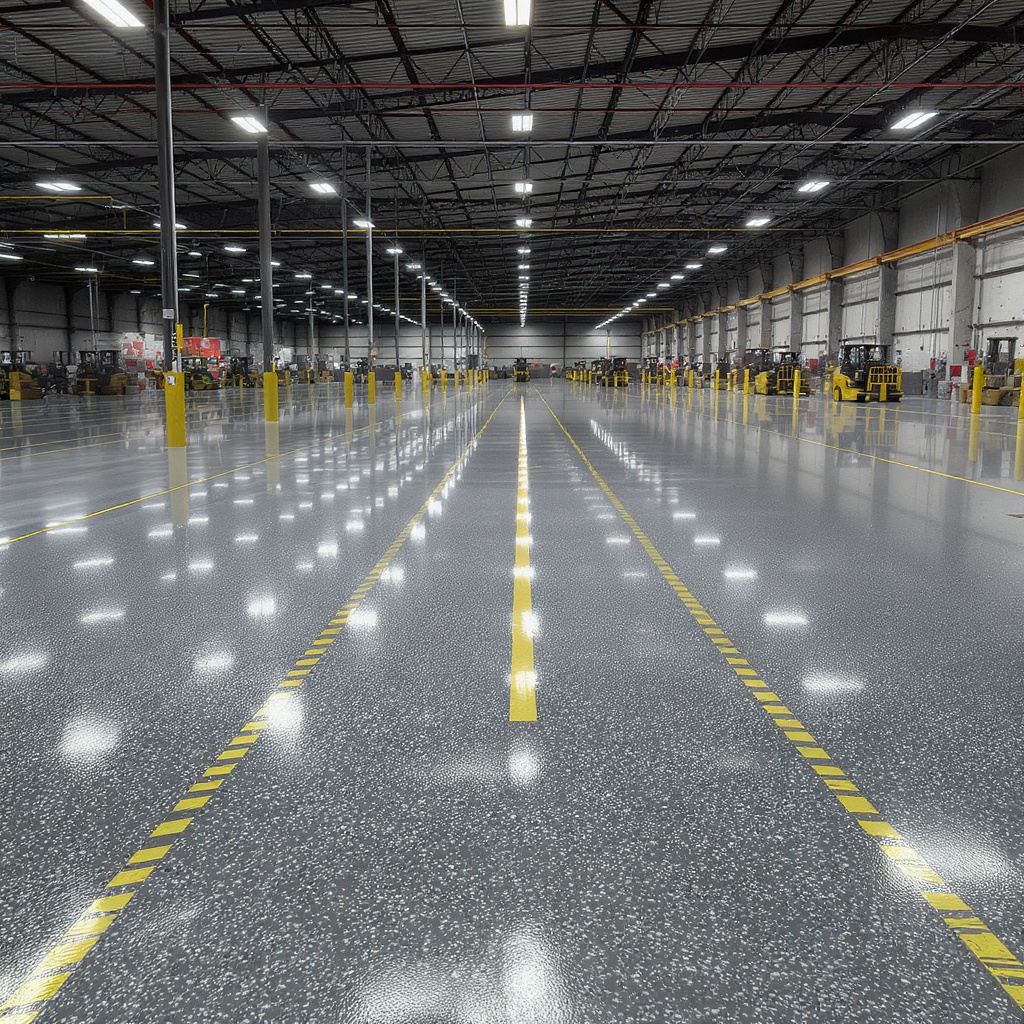
Logistics
Metallic epoxy coating, drive-aisle markings, polyaspartic topcoat
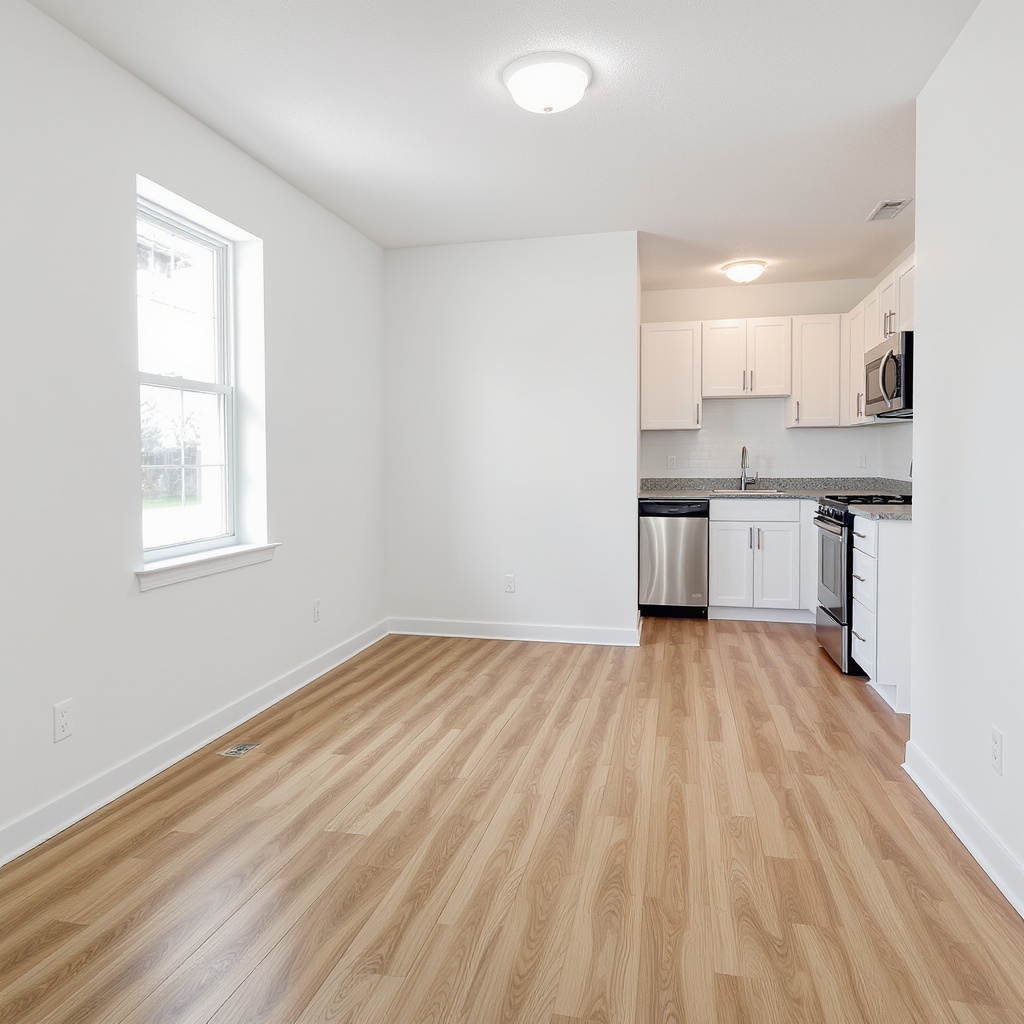
Multifamily
Paint, LVT flooring, baseboards, make-ready across 280 units
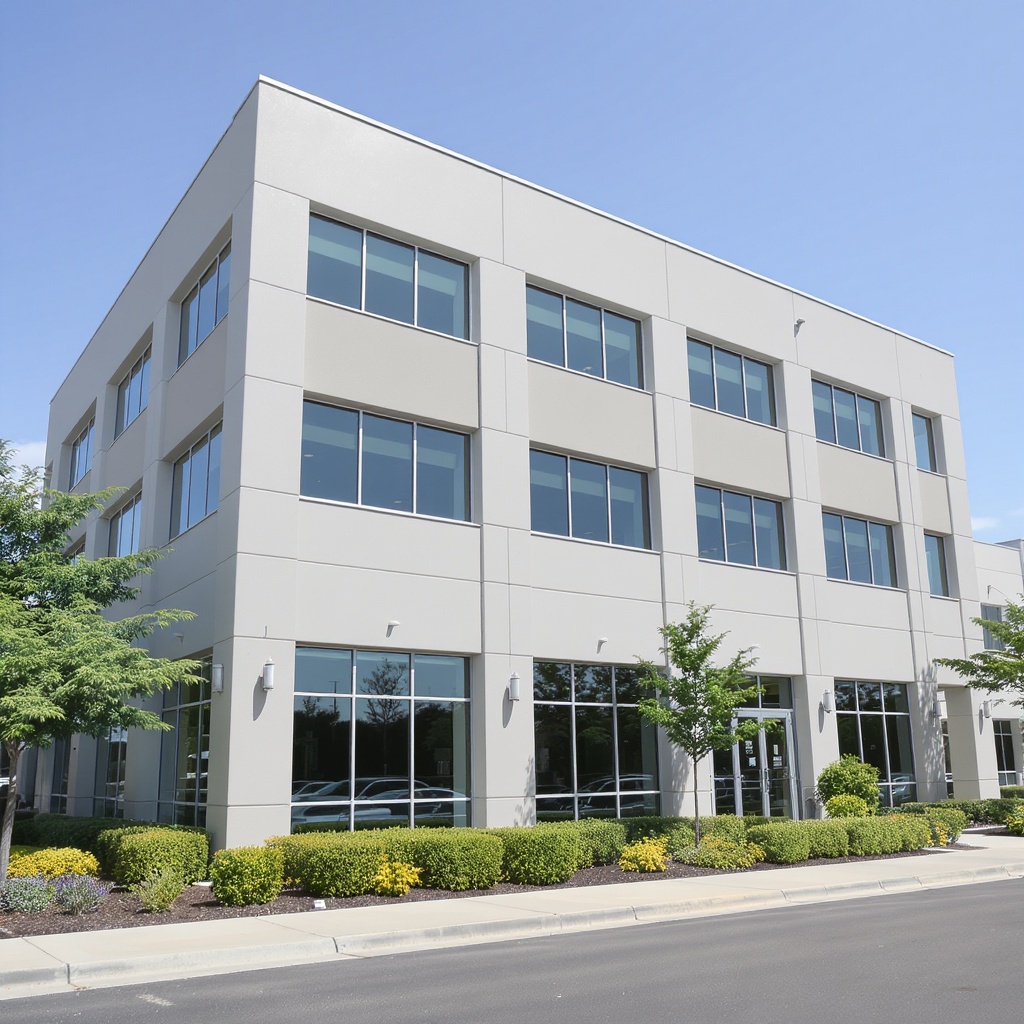
Office
Elastomeric coating, substrate repair, 3 active tenant floors
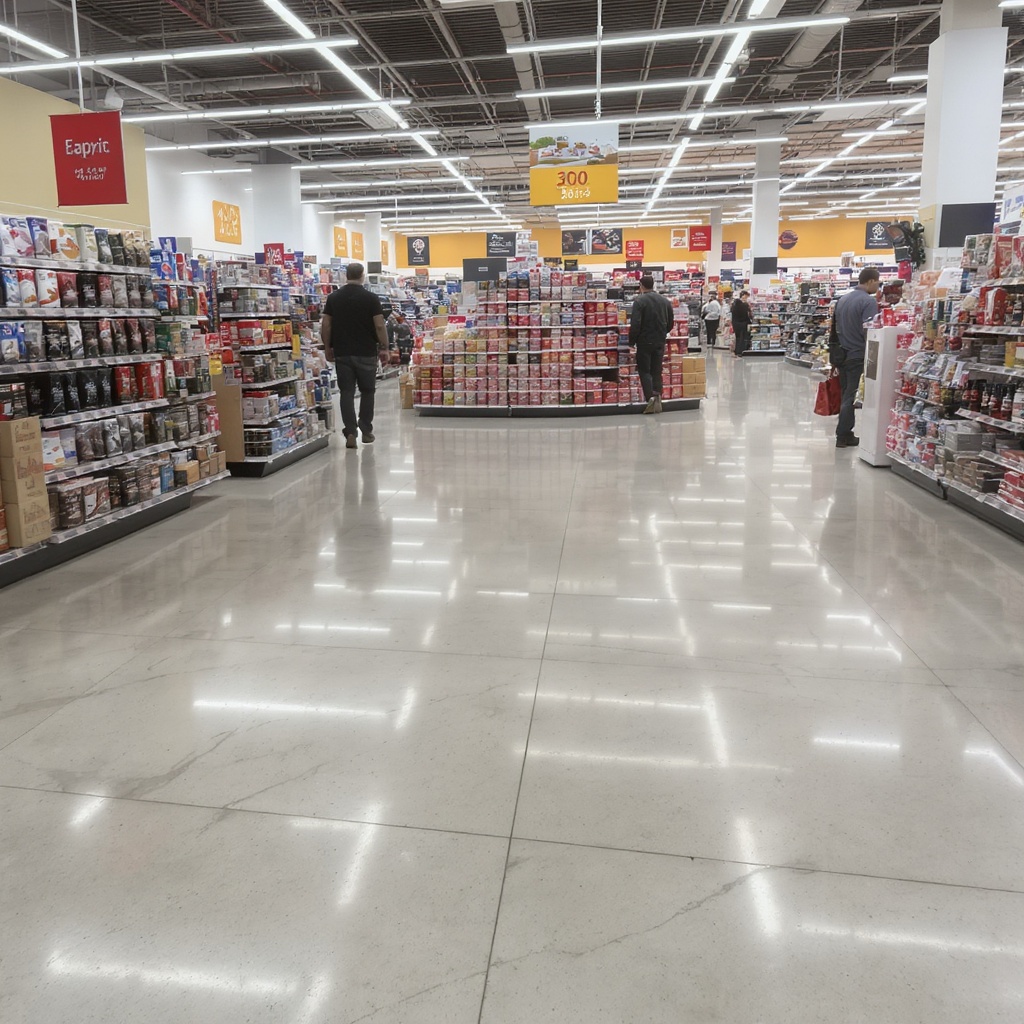
Retail
Polished concrete replacement, single overnight shift, store open at 8am
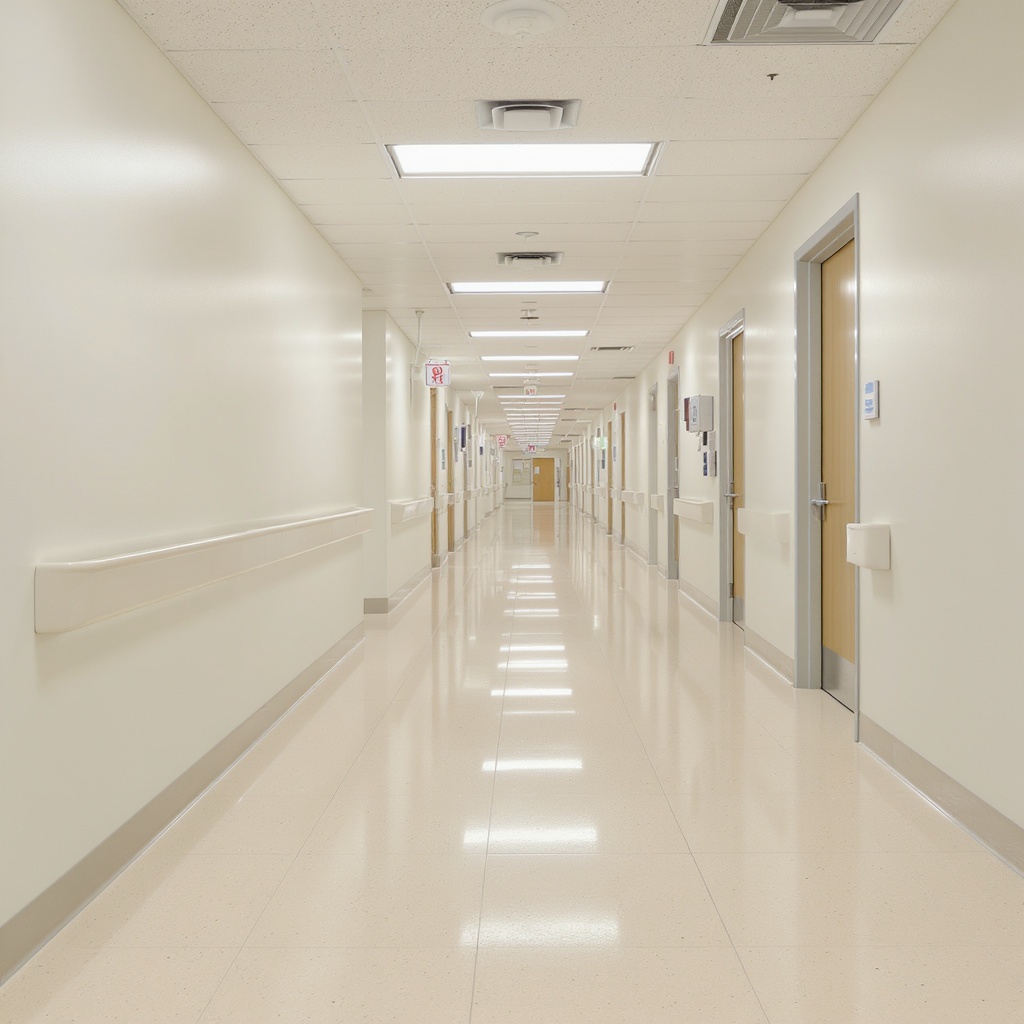
Healthcare
Infection-control protocol, HEPA containment, heat-welded seams
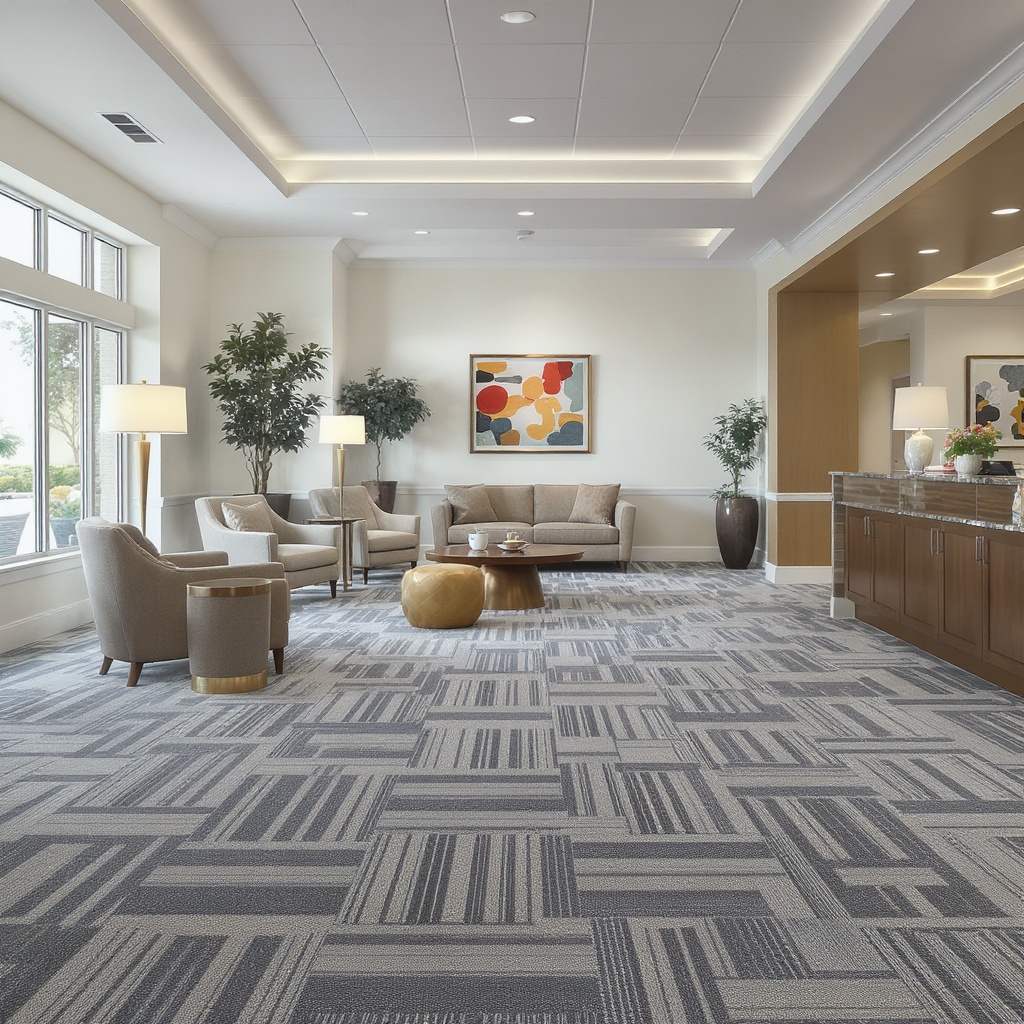
Hospitality
Carpet tile, zero-VOC paint, guest-occupied hotel, 94% occupancy
Industrial floor coating with metallic epoxy base coat, polyaspartic urethane topcoat for chemical resistance, drive-aisle line markings stenciled in hard-set epoxy paint, and anti-slip aggregate broadcast in dock lanes.
The facility operated 24/7 with inbound/outbound traffic running concurrent to the install. Phasing had to align with racking schedules and forklift routes. Chemical exposure from forklift battery charging stations was eating into standard coating lifespan — needed an upgraded topcoat spec to match the real operating environment.
We broke the floor into 6 zones by aisle. Worked night shifts on active zones while daytime traffic used adjacent aisles. Spec'd a polyaspartic topcoat over standard epoxy for acid/base resistance at the charging stations. Applied line markings with stencils and hard-setting epoxy paint after full cure — no tape, no fading.
42,000 sqft complete in 7 days. Passed the facility's QA inspection with zero punch list items. Forklift drivers noted the drive-aisle contrast made night navigation noticeably safer — the client flagged this as an unplanned win worth calling out in the close-out documentation.
Full interior unit turns across a 280-unit apartment community: walls and ceilings repainted, LVT flooring replacement, baseboard reinstall, and unit make-ready inspection. Property was mid-lease with staggered move-outs — no batch processing possible.
Property was mid-lease with staggered move-outs. Couldn't batch units — needed a repeatable 30-day cycle per unit that allowed for rescheduling if a previous-unit punch list ran long. Working hours were constrained to 8am–6pm to manage tenant noise complaints, which limited how much work could happen in any given window.
Standardized the scope: shared painter + flooring crew that moved unit-to-unit on a 5-day rotation (Day 1–2 paint, Day 3 baseboards, Day 4–5 LVT). Baseboards were pre-cut to unit specs during off-hours so crew arrival was turnkey. We maintained a "float week" buffer in every schedule — if a unit needed an extra day, the rotation shifted without cascading delays into the next unit.
Maintained 30-day average turn time across all 280 units over 4 consecutive quarters. Zero lease-ready delays. The property manager cited our rotation model in her onboarding docs for new turn vendors — which is the kind of repeat business that doesn't come from just doing good work, it comes from making the GC's job easier.
Surface prep and 2-coat elastomeric coating on a 4-story Class B office building in midtown Atlanta. Working around three active tenant floors (law firm, insurance broker, co-working space) with business-hours-only access and no disruption tolerance.
Three of four floors had active tenants who couldn't tolerate noise before 9am or after 5pm. The building had significant substrate cracks that needed filling before coating. One corner had previous delamination issues — the previous painter blamed the coating; it was actually a moisture intrusion problem that needed diagnosing before anything else would hold.
Full building assessment before touching a brush. Hired a moisture consultant to map the problem corner and found the root cause: a failing weep screed. Fixed the moisture issue first (3 days), then applied elastomeric over the corrected substrate. Noise schedule: lift equipment and pressure-washing before 9am only; no spray equipment during business hours; brush and roll work only 9am–5pm.
Building painted in 21 days. Passed the property manager's final inspection with no punch list. The co-working tenant posted a positive review about how smooth the project was for their members — which matters when you're managing a building with multiple active tenants and anyone can send an email to the owner.
Full polished concrete flooring replacement for a national retailer. Store had to remain open until close and reopen at normal time the next morning. Single continuous overnight window with a $4,000/hour penalty clause for any overrun.
The store's sales floor was active until 10pm. Demolition and install had to happen in one continuous overnight window. Any overrun meant the store opened late — the penalty clause made each hour of delay cost $4,000, which added up fast. Floor needed to be ready for foot traffic by 8am, no exceptions.
Pre-staged all materials inside the store before 8pm so nothing was waiting on a delivery truck. Two crews: demolition crew (8pm–midnight) and install crew (midnight–5am). Crews transitioned in the center aisle so no overlap zone. Demo crew used hand tools and electric saws — no gas equipment, ventilation concern overnight. Install crew finished with enough buffer for a cleaner walkthrough before store open.
Floor installed and store opened at 8am sharp. Zero merchandise damage. The project manager noted the crews worked with "impressive coordination" — the overlap transition at midnight was clean, no wasted time in handoff. No callbacks, no punch list, no conversation about the penalty clause.
Sheet vinyl installation across a 12-room clinical wing and adjacent corridors in an outpatient surgery center. Infection-control protocols required negative-pressure containment during all work phases. All seams heat-welded per healthcare spec — no adhesive seam tape.
The surgery center couldn't shut down — running procedures Monday through Thursday. Work had to happen in phased containment: seal the wing, work overnight, test air quality before reopening. Any variance in air pressure during work could trigger an infection-control flag and shut down the entire center. This wasn't a scheduling risk — it was a patient-safety risk.
Installed negative-pressure enclosures with HEPA-filtered air scrubbers running 24/7 during work phases. Work was staged wing-by-wing, never occupying active clinical space. Our crew worked 6pm–6am on Wednesday and Thursday nights (lightest procedure load) plus Saturday full days. All sheet vinyl seams were heat-welded per healthcare spec — no adhesive seam tape.
6,200 sqft installed across 3 wings over 14 days. Passed the facility's final infection-control inspection with no citations. The director of operations said it was the cleanest turnover they'd seen from a flooring contractor. The surgery center has called us back for two subsequent projects.
Carpet tile replacement and wall repaint in a 120-room hotel's lobby, main corridor, and upper-floor hallways. Work happened around guests with no disruptions to check-in or housekeeping — using zero-VOC paint products throughout so no guest displacement was required.
Summer is peak season — the hotel was running 94% occupancy during the project. Guest rooms on floors being worked couldn't be taken offline for more than 4 hours at a stretch (housekeeping needed access to staging rooms). Any noise complaint from a guest meant the crew stopped — which meant the schedule was hostage to whoever complained loudest.
Coordinated with the front desk 48 hours in advance for every room we needed. Carpet tile was pre-cut and numbered to the room layout before crews arrived — no cutting on-site, which eliminated the loudest work from happening in or near occupied rooms. Paint work used zero-VOC products so no guest displacement was needed. Staged materials in the service elevator hallway and moved fast to minimize our footprint in the common areas.
Lobby and all corridors refreshed over 18 days. Hotel maintained 94% occupancy throughout — housekeepers never lost access to a room more than 4 hours. The general manager sent a written note calling it the smoothest refresh project they'd run — that note is in our capabilities package.
Ready to start?
Tell us what you're working on. We'll tell you whether we've done it before — and if we have, we'll price it correctly the first time.
Want the full picture?
See our capabilities sheet →Bonding, insurance, trade scope, compliance docs. Everything a GC needs.